Introduction
One Christmas as a kid, I received my first digital camera. This was before everyone always had a high-quality camera in their pocket, when Blackberries and flip phones were still the norm. Having the power and accessibility of a camera to take any photo I wanted was a privilege at the time. I took the camera with me everywhere, especially on vacations. I captured glimpses of moving landscapes from the backseat of the car with blurry trees, mountains, and streams. I felt compelled to take a picture of every landmark and building that caught my eye–as well as any wildlife that crossed my path. But what intrigued me was the story behind the film. Whenever I looked at an old photo, I could relive the experience, how that place made me feel, and why it was important to me to remember. We perceive so much of the world and our experiences through our eyes. When we take photos, we are not only capturing moments in time, but also documenting places that are important to us.
While photographs are great to capture moments on vacation or with family, they are also great ways to document people’s thoughts, ideas, and voices. Using photos to capture an individual’s thoughts or voice is a photovoice, and a powerful way to engage with a community without using words.
Defining a Photovoice
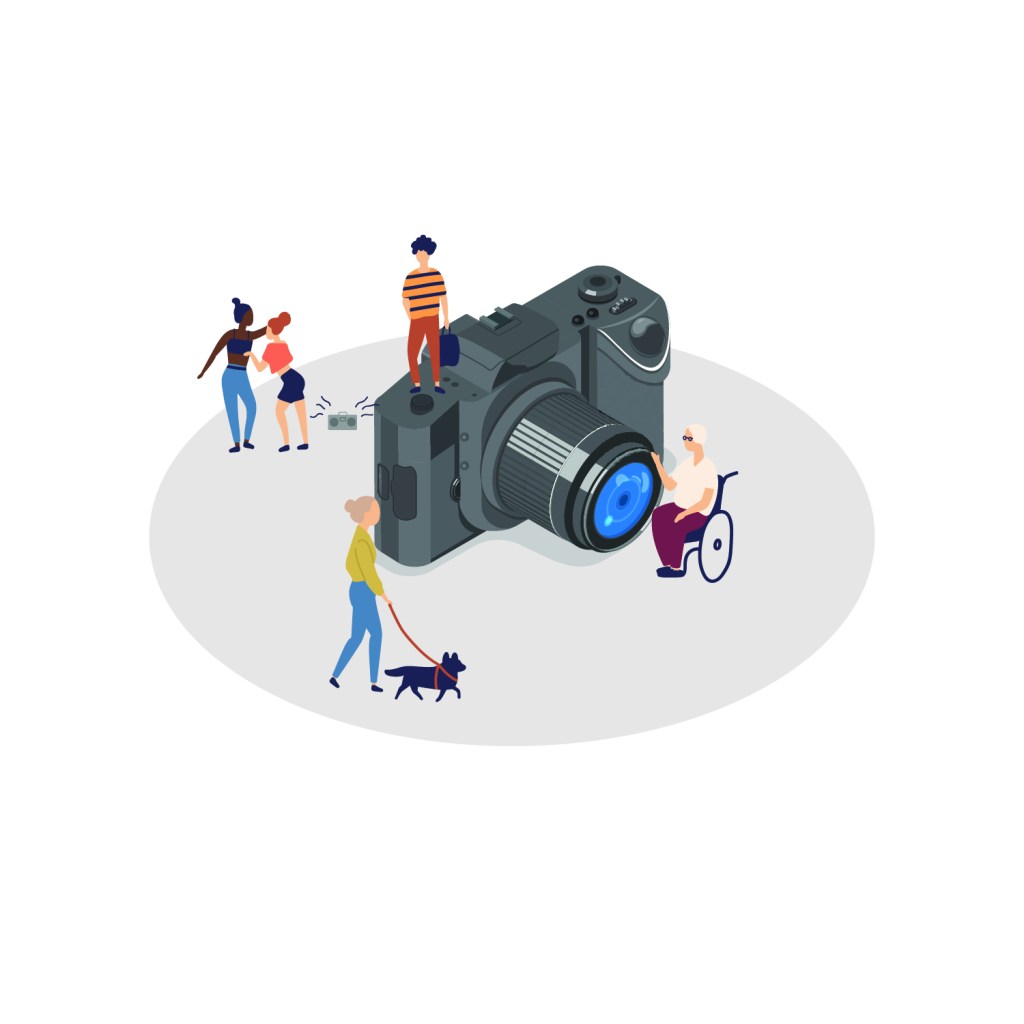
What is a photovoice, and why is it important for engagement? Photovoice is a creative engagement method that gathers photographs taken by participants and translates them into actionable knowledge. It is meant to allow residents and stakeholders to document and reflect on community assets and concerns. The images can often communicate more than words, expressing community wants, needs, and aspirations.
Origins of a Photovoice
This method originated from China in the early 1990’s, when Carolina C. Wang and Mary Ann Burris used the photovoices of rural women to inform regional policies. Photovoice Worldwide notes that the four origins of photovoice described by Dr. Wang were:
- documentary photography for social justice and advocacy,
- photo story, or the use of photos to tell a story,
- critical consciousness education, and
- recognizing the expertise of “non-professionals.
Over the past 30 years, planners have used photovoice in community engagement and research with marginalized groups and communities.
Why use Photovoice?
Photos are a form of self-expression and can be an easier way to convey a message or perspective, especially in communities whose opinions were historically underrepresented and overshadowed. An image can be a powerful narrative of its own; as the saying goes, a picture is worth a thousand words. The photo can also be used as a window to an individual’s perspective into their community. This method is a unique way to engage with people and to bring their lens and life experiences to planning and urban design projects.
Creative Engagement for Freedom-Wilkinson
On August 24th, 2023, we held the kick-off meeting for the Freedom-Wilkinson Corridor Playbook, one of the six corridors from the Corridors of Opportunity program. Over twenty green “Corridors of Opportunity” disposable cameras were made and distributed to willing participants from the community. The goal was simple, to capture how residents and workers saw and experienced their community. To see what they valued in their community, what was significant to them, and what challenges they faced.
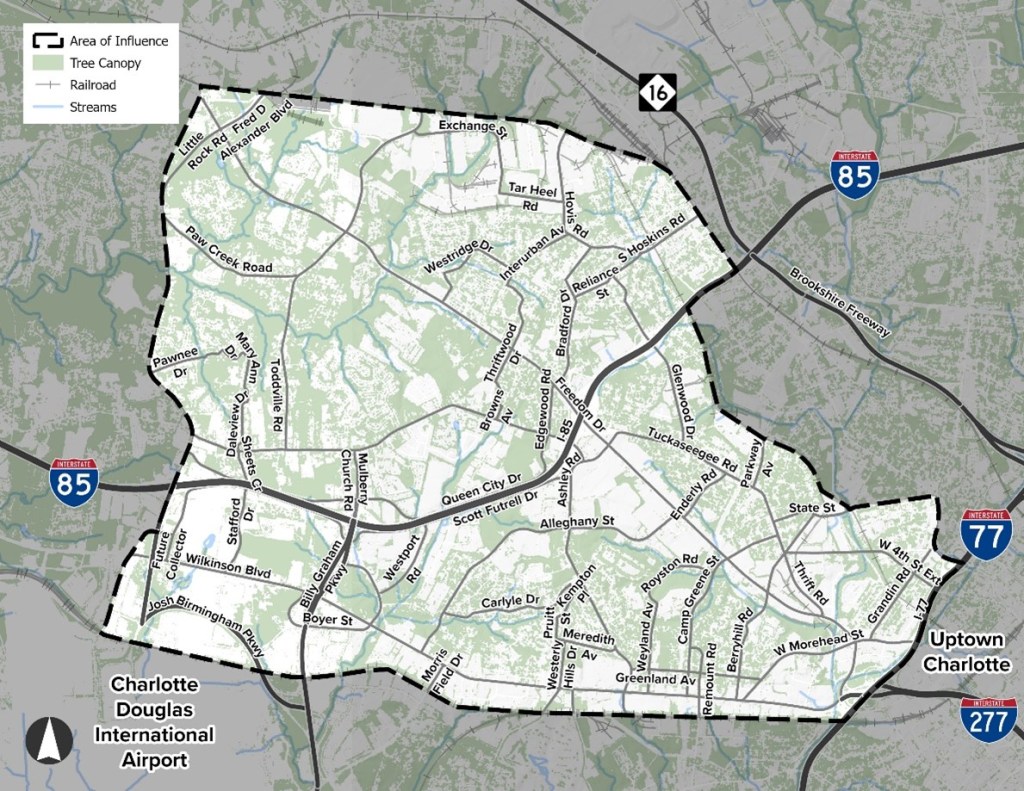
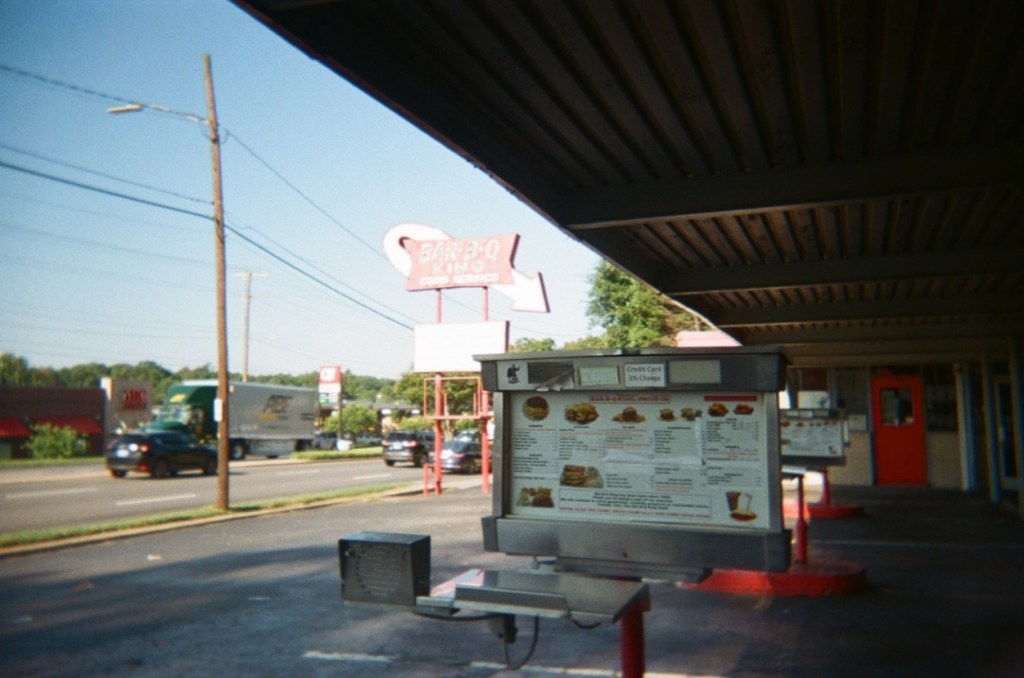
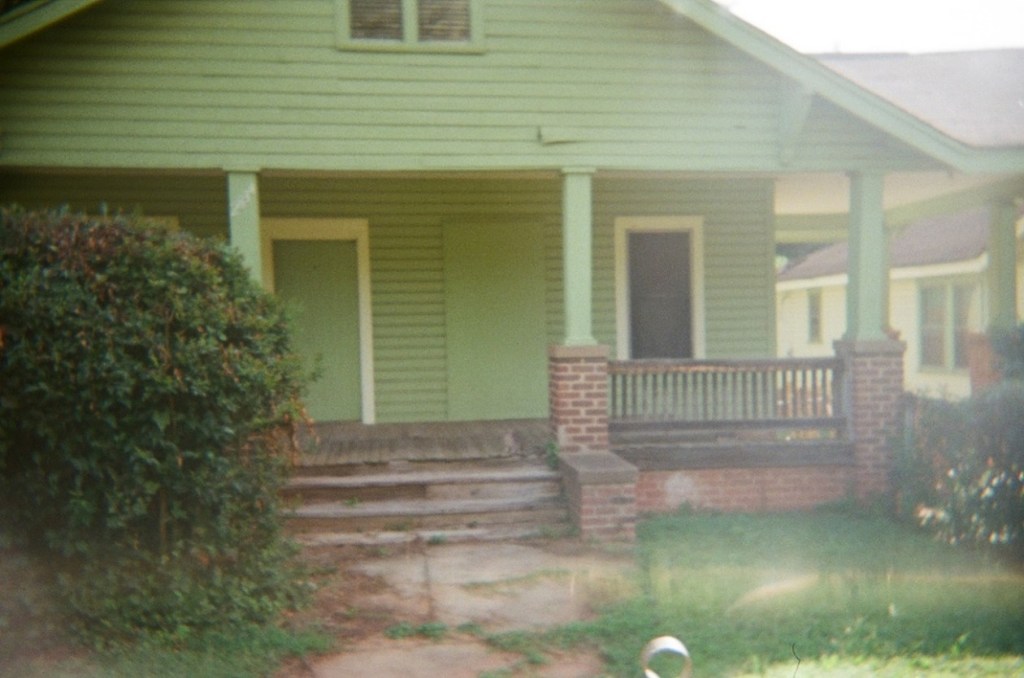
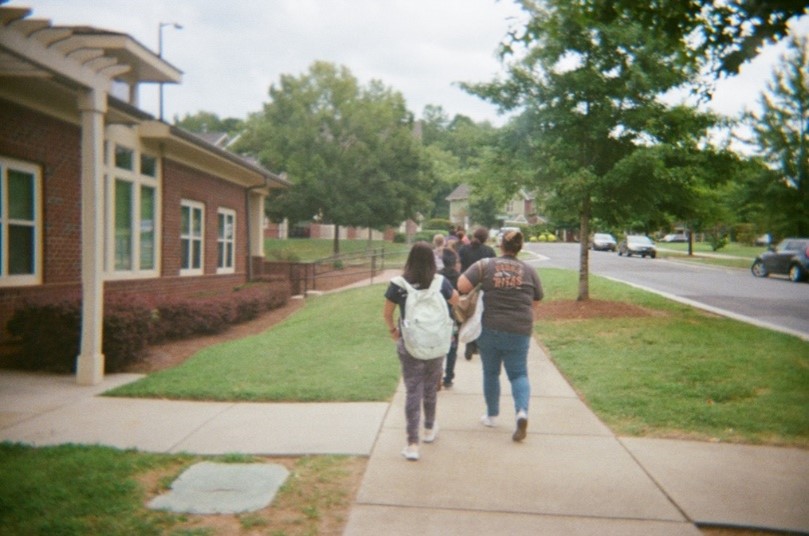
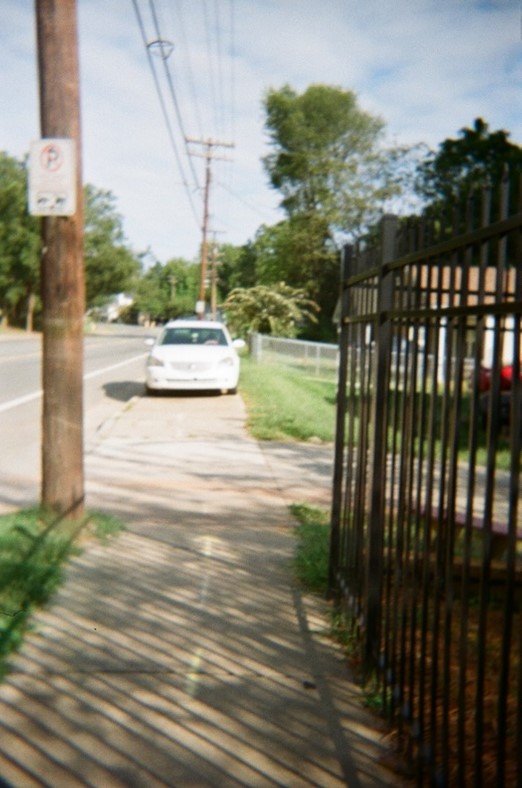
From those cameras, nearly 150 photographs were developed, revealing informal glimpses of life on the Freedom-Wilkinson Corridor while also illustrating places, from industrial land to parks and open space, with meaning and importance to the corridor. Residents took photographs of historic landmarks, the beauty of the natural environment, and even provided glimpses into their everyday lives. After we retrieved the cameras from the community, several of the photographs were printed and framed and presented to the community at the December 7th public meeting.


Conclusion
Overall photovoice is a great creative way to engage with people through their eyes to see their lived experiences. It connects to people’s desire to capture a moment, a place, or an experience that feels important enough to want to remember through photograph. Using this technique, planners and urban designers can connect a moment in time to a vision for the future. These photos represented first-hand experiences from the community and added great value and perspective to the engagement process.
 People make Cities