Written by Ria Naab
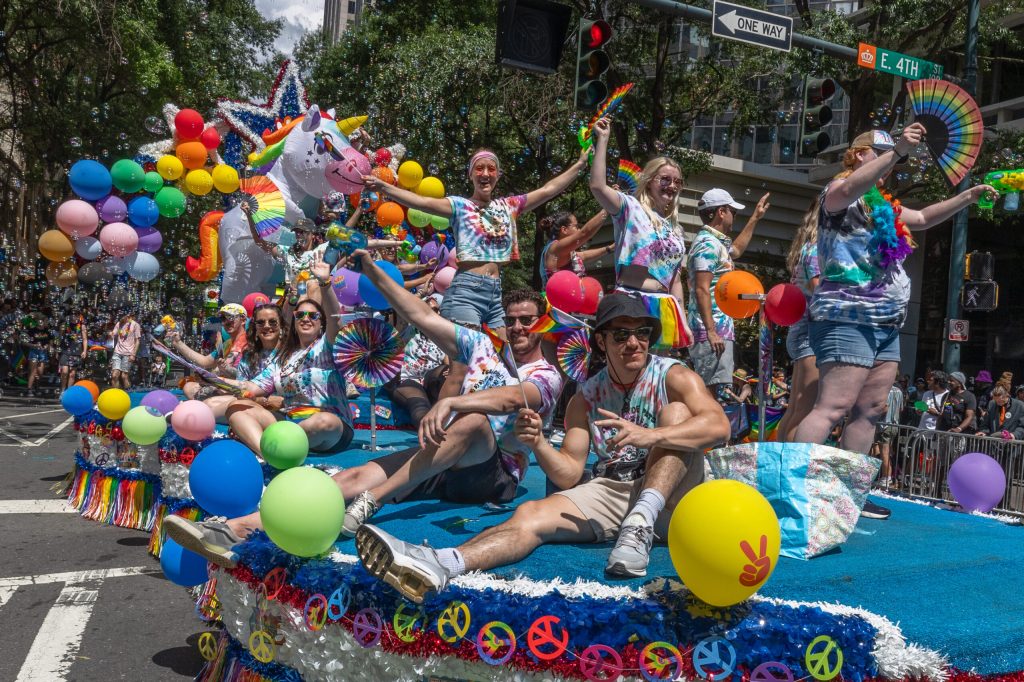
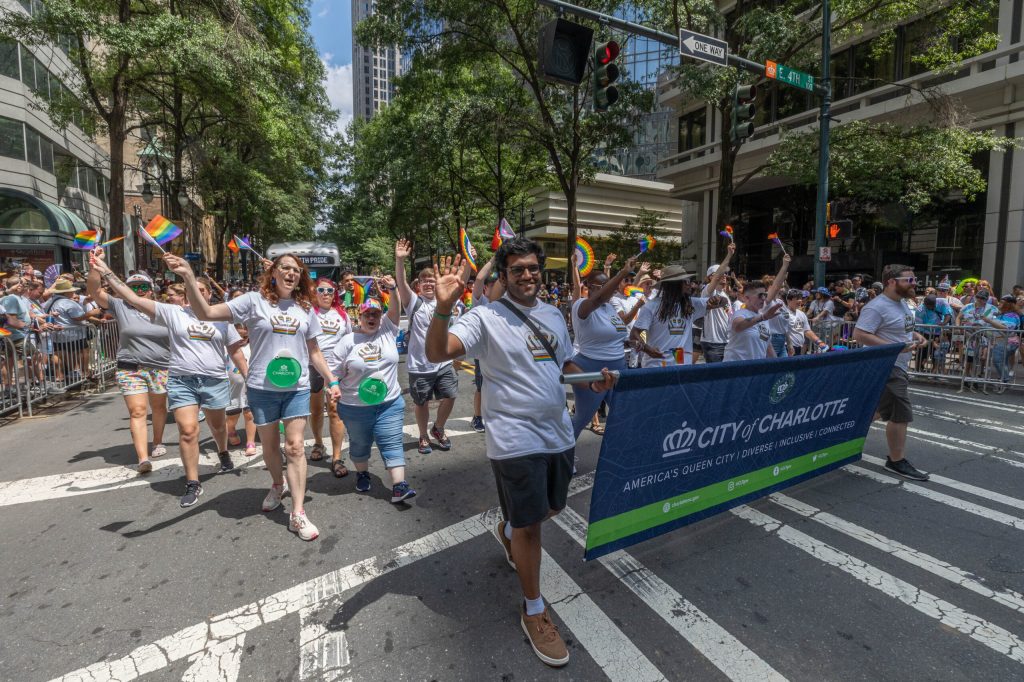
Since 2000, June has been nationally recognized as Pride Month in memory of the Stonewall Riots on June 28, 1969. The events began as protests in support of LGBTQ+ rights. Per the Human Rights Campaign Glossary, LGBTQ+ is an acronym that stands for “lesbian, gay, bisexual, transgender, and queer (or “questioning”),” with a “+” sign to recognize limitless sexual orientations and gender identities. Across the globe, Pride now celebrates the accomplishments of these activists while continuing to promote belonging for all identities within the LGBTQ+ or “queer” community. Pride events in Charlotte trace back to the 1970’s and early 1980’s. While the Queen City hosts festivals, markets, performances, and other events during June, we uniquely host the official Charlotte Pride in August. Introduced in 2013, the annual parade down Tryon has gained popularity in the region, with roughly 260,000 people attending in 2023. For some, this is a “second Pride Month” with festivities taking place the weekend of August 16th this year. During this time, businesses, organizations, and municipalities come together with the community to celebrate and promote love, diversity, and belonging for all. In honor of this second holiday, let’s reflect on the way our city feels during these events and what we can do to preserve that positivity and welcoming nature all year.
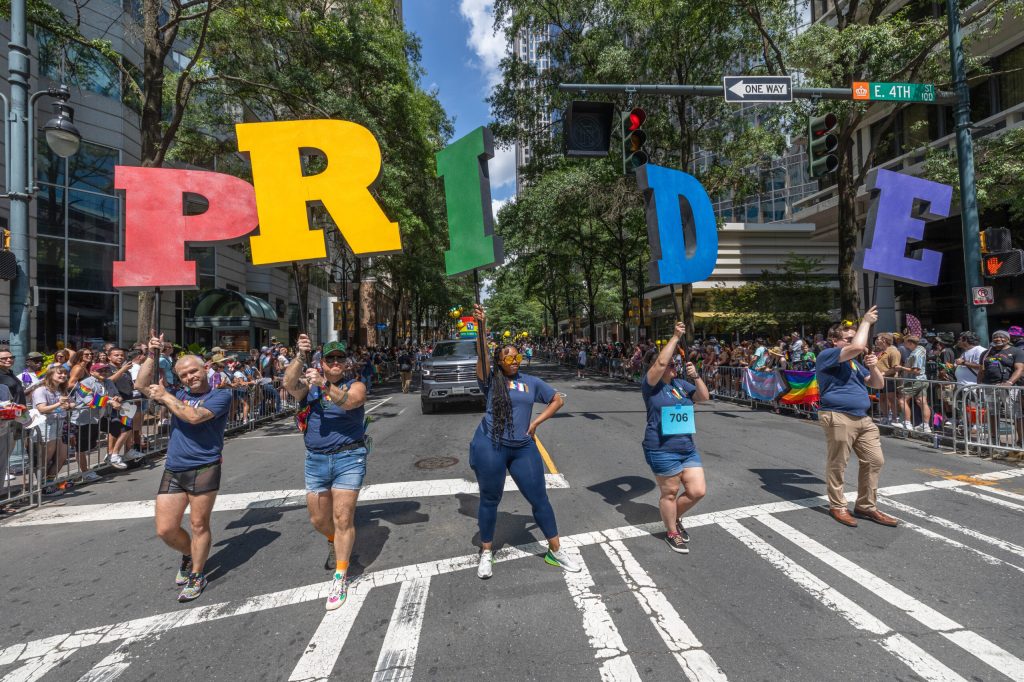
Charlotte Pride Parade, August 18, 2024. Credit: Grant Baldwin, Courtesy Charlotte Pride 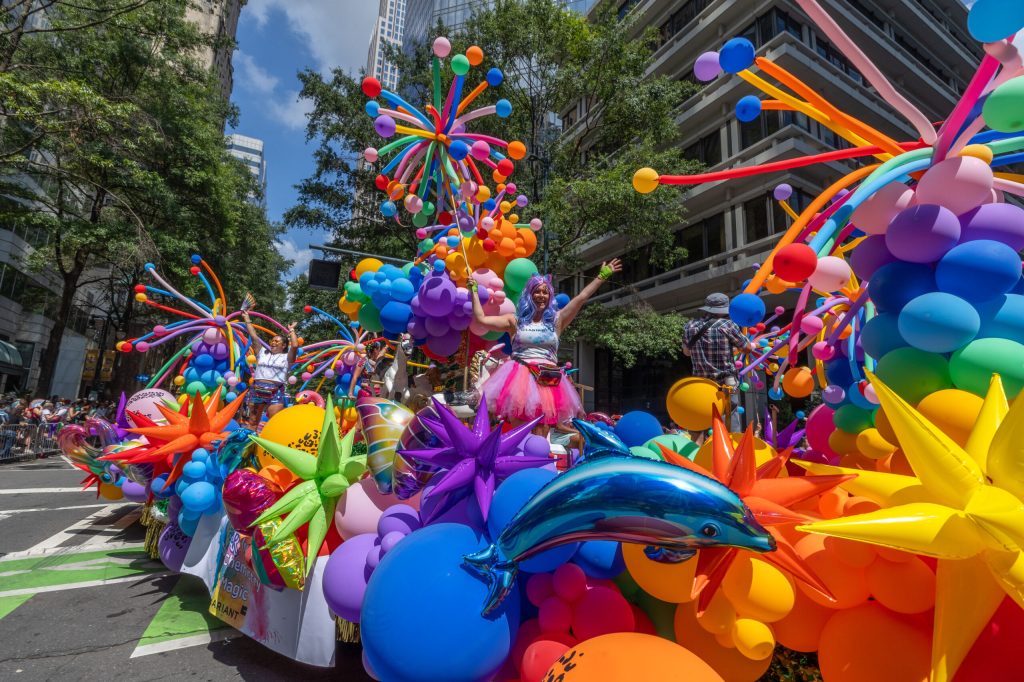
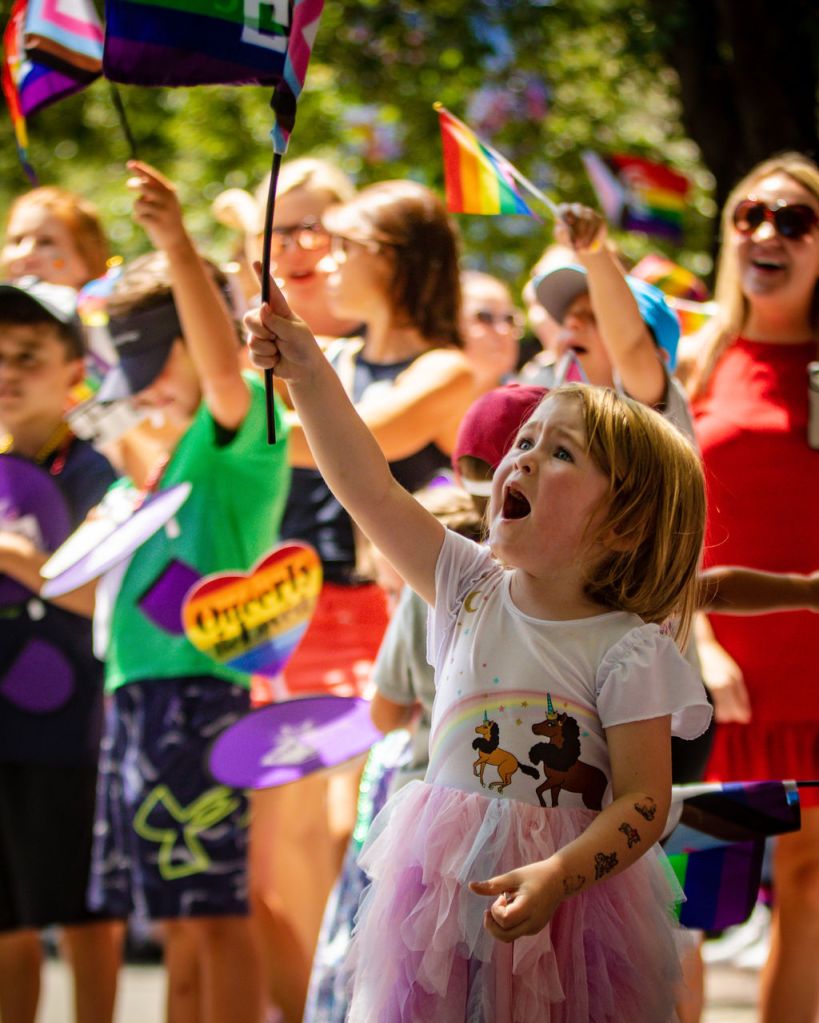
Charlotte Pride Parade, 2024. Credit: Grant Baldwin, Courtesy Charlotte Pride 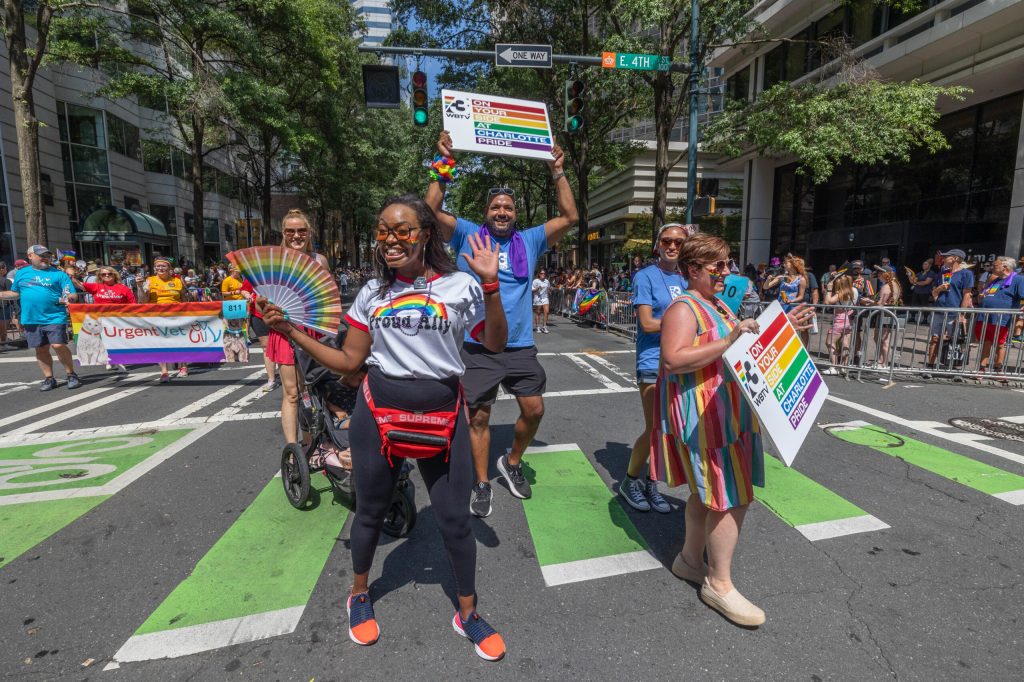
Charlotte Pride Parade, 2024. Credit: Grant Baldwin, Courtesy Charlotte Pride 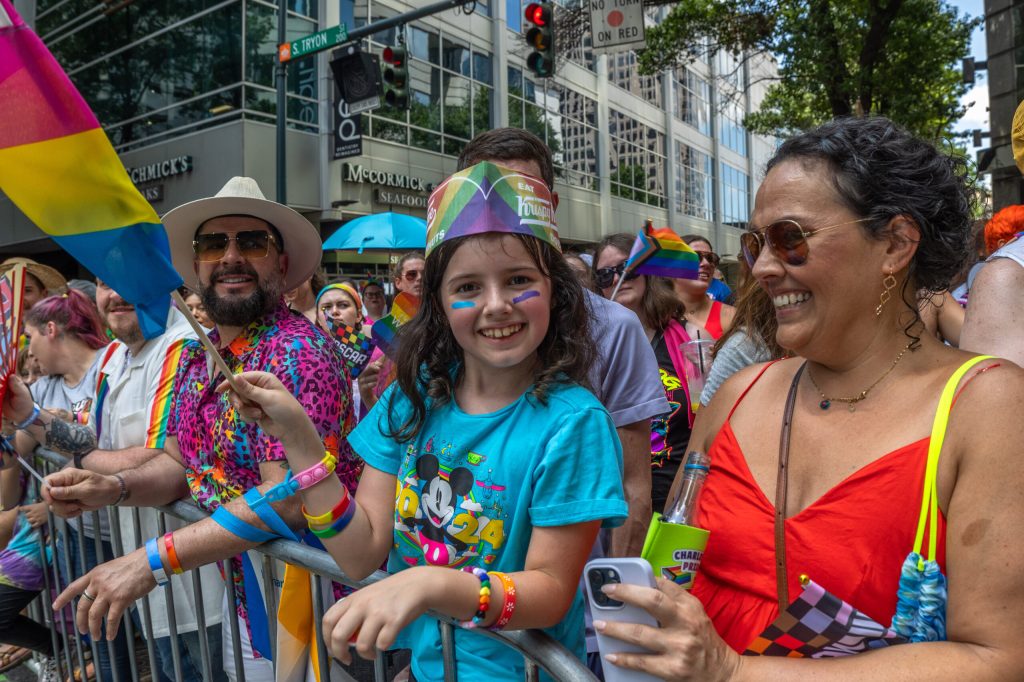
Charlotte Pride Parade, 2024. Credit: Grant Baldwin, Courtesy Charlotte Pride 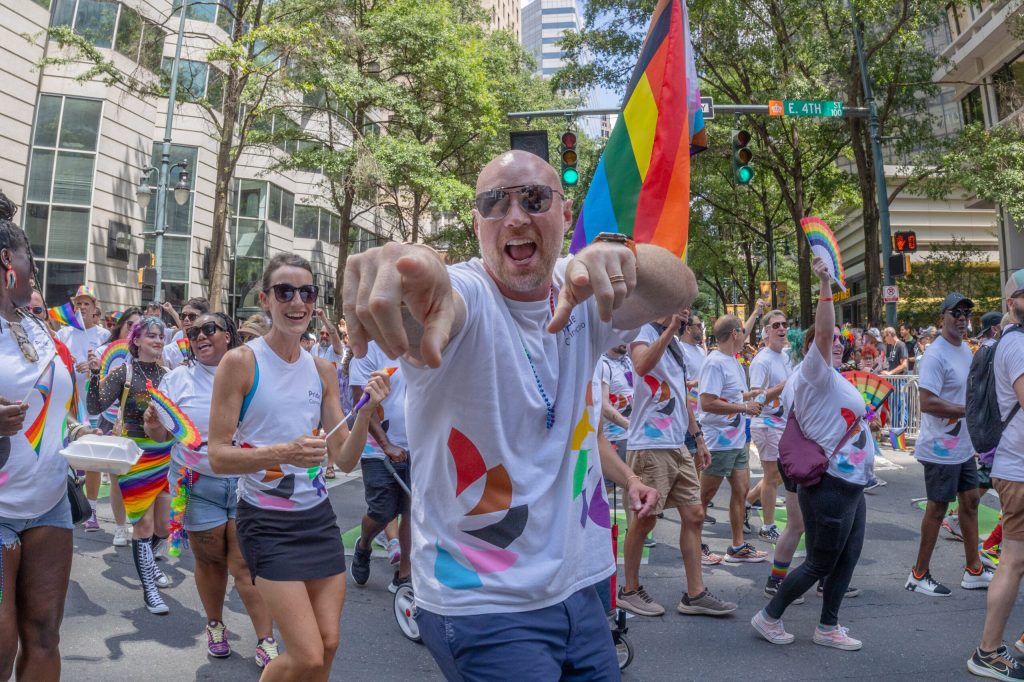
Charlotte Pride Parade, 2024. Credit: Grant Baldwin, Courtesy Charlotte Pride 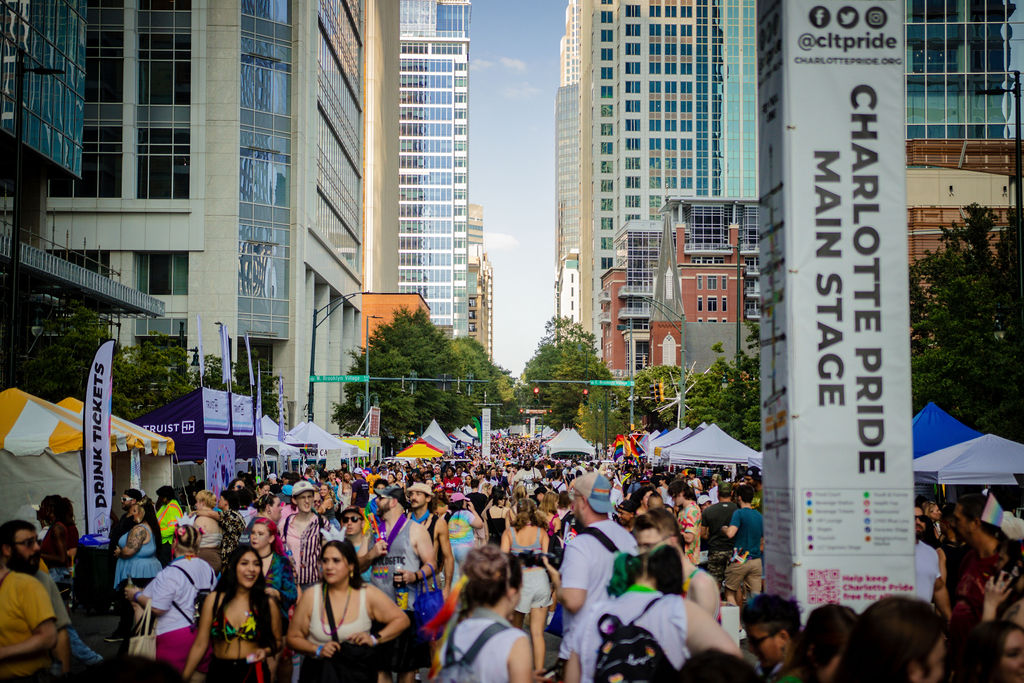
Charlotte Pride Festival. Credit: Mike Mazely, Courtesy Charlotte Pride 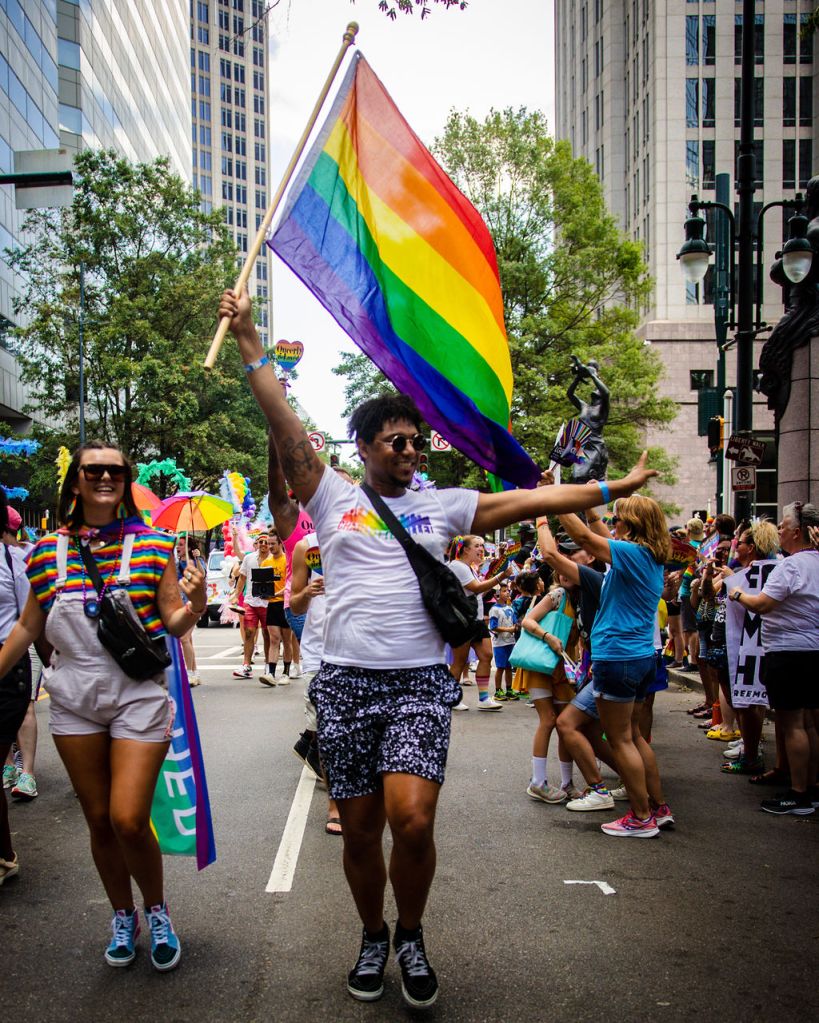
Charlotte Pride. Credit: Mike Mazely, Courtesy Charlotte Pride 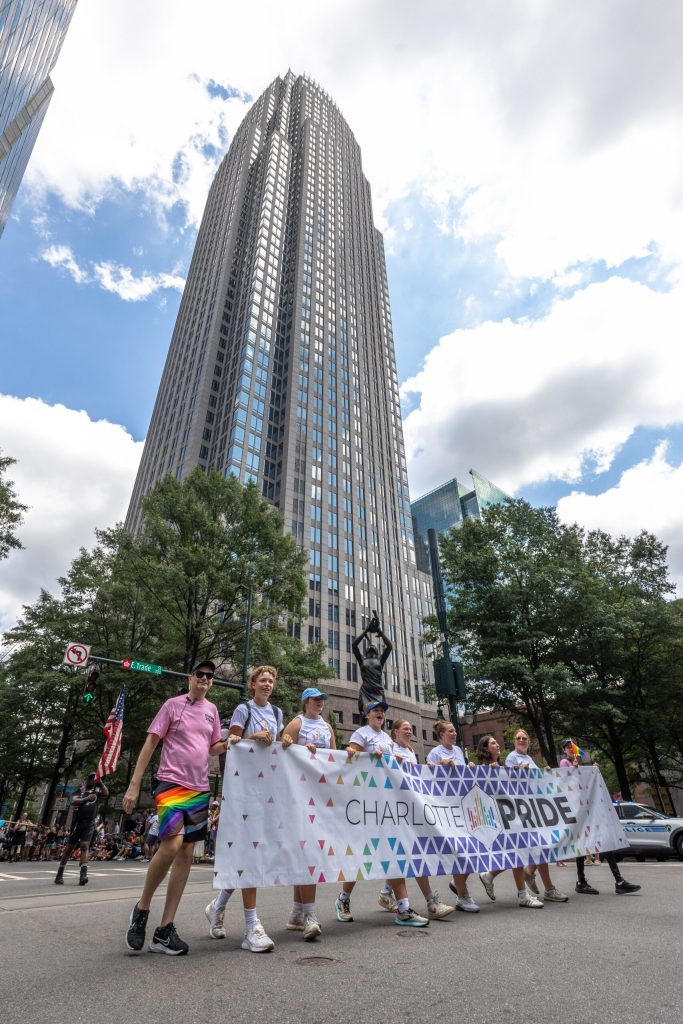
Charlotte Pride Parade, 2024. Credit: Grant Baldwin, Courtesy Charlotte Pride 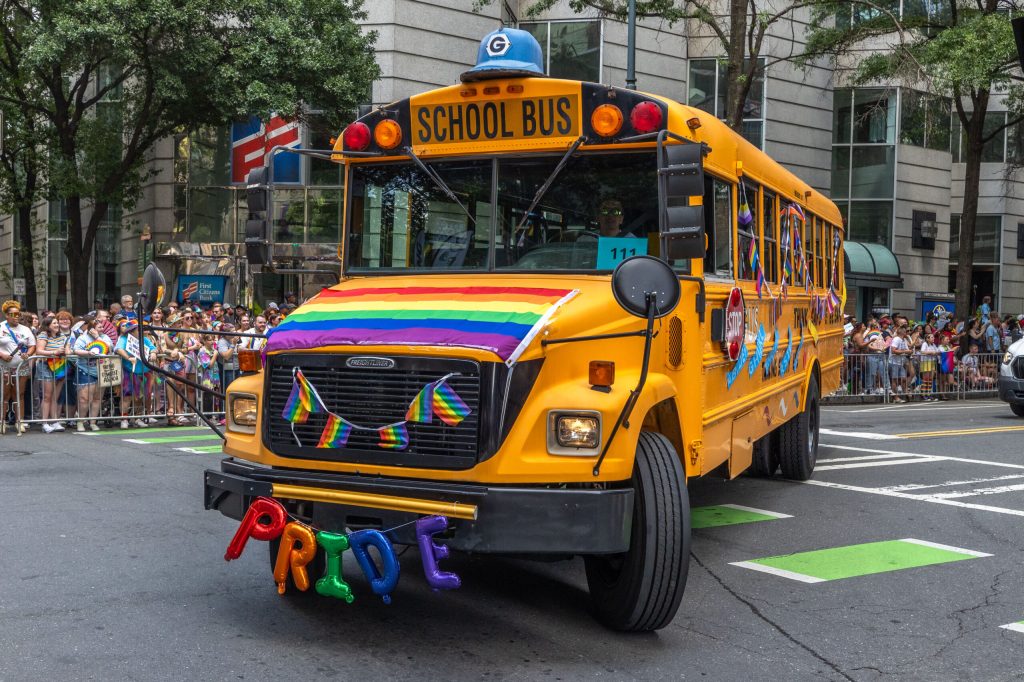
Charlotte Pride Parade, 2024. Credit: Grant Baldwin, Courtesy Charlotte Pride
Imagine a city where everyone—no matter their identity—feels safe, seen, and supported. That’s the vision behind queer urbanism, a growing movement in city planning and urban design that reframes assumptions and expands considerations using the lives and needs of LGBTQ+ people as a central perspective. While this movement is centered around LGBTQ+ people and culture, the lessons and actions produced can be applied to other minority groups and cultures as well.
What Is Queer Urbanism?
Queer urbanism is about more than rainbow crosswalks or Pride parades. It’s a way of rethinking how cities are built and who they are built for. Traditional urban planning often assumes a “default” resident: straight, cisgender, middle-class, and part of a nuclear family. But queer people don’t always fit that mold—and that’s okay.
To reimagine a city where there is no mold to fit, we must first acknowledge that humanity is not rigid but fluid, so there is no mold or default for any person. Instead of trying to fit into a system that wasn’t made for them, queer urbanism asks: What if we designed cities that welcomed everyone from the start? City planner Serra Utkum Ikiz writes that queer urbanism “seeks to create more inclusive and welcoming cities by centering queer experiences, disrupting rigid boundaries, and empowering individuals to shape their urban environments.” This means creating spaces that are:
- Safe for people of all gender identities and expressions.
- Inclusive of different family structures, like chosen families or roommates.
- Affordable and accessible, especially for those who face housing discrimination.
- Visible, where queer culture and history are celebrated, not hidden.
Why Is It Important?
While many move to cities to find community, LGBTQ+ people often face unique challenges:
- Lower incomes and higher rates of homelessness, especially among trans people and queer youth.
- Limited access to public spaces that feel safe or welcoming.
- Discrimination in family-oriented spaces like parks or schools.
- Lack of representation in city planning and decision-making.
Most public spaces in the U.S. are either “pay-to-enter” (like cafés or gyms) or designed for families with children (parks, playgrounds, libraries). Queer people—especially those without kids or with non-traditional families—often feel left out. And while the street is technically public, it’s not always safe. Harassment and violence are still real threats, especially for trans people and queer people of color.
Queer urbanism responds to these problems by designing cities that reflect the full diversity of human experience.
What Do Queer People Want from Their Cities?
According to The Inclusive City Project and other research, queer people want:
- Visibility – Public art, campaigns, and education that reflect queer lives.
- Adequate Spaces – Safe, accessible, and affordable places to live, gather, and express themselves.
- Inclusive Services– Health care, housing, and support services that understand and respect queer needs.
- Community Solidarity – Opportunities for activism, mutual aid, and connection.
- Political Support – Laws and policies that protect queer rights and promote equity.
- Intersectionality – Recognition that race, class, disability, and other identities shape queer experiences.
Real-Life Examples of Queer Urbanism
Across the world, cities and communities are putting queer urbanism into practice. Here are some inspiring examples:
National and Global Examples
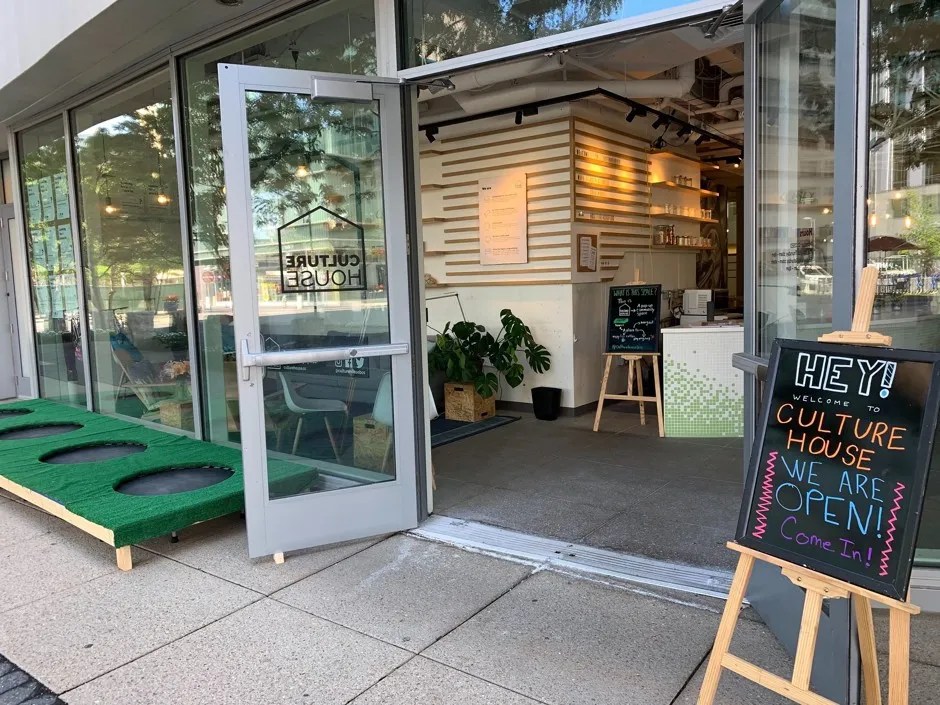
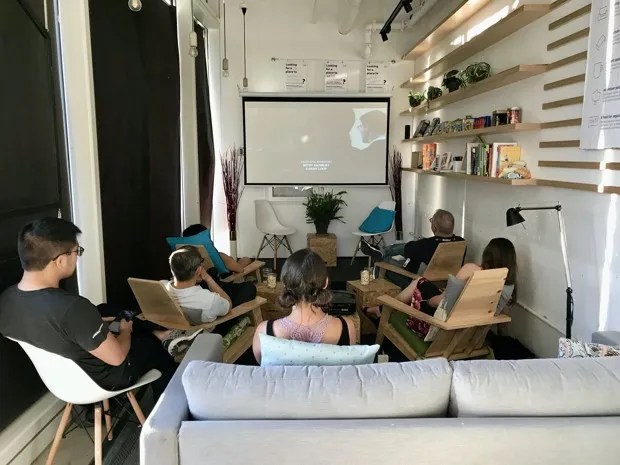
CultureHouse – Somerville, Massachusetts
A queer-led nonprofit that transforms empty storefronts into free, inclusive pop-up spaces. These spaces host queer bookstores, art shows, and community events—no purchase required. Their other projects include placemaking, plazas, and community engagement.
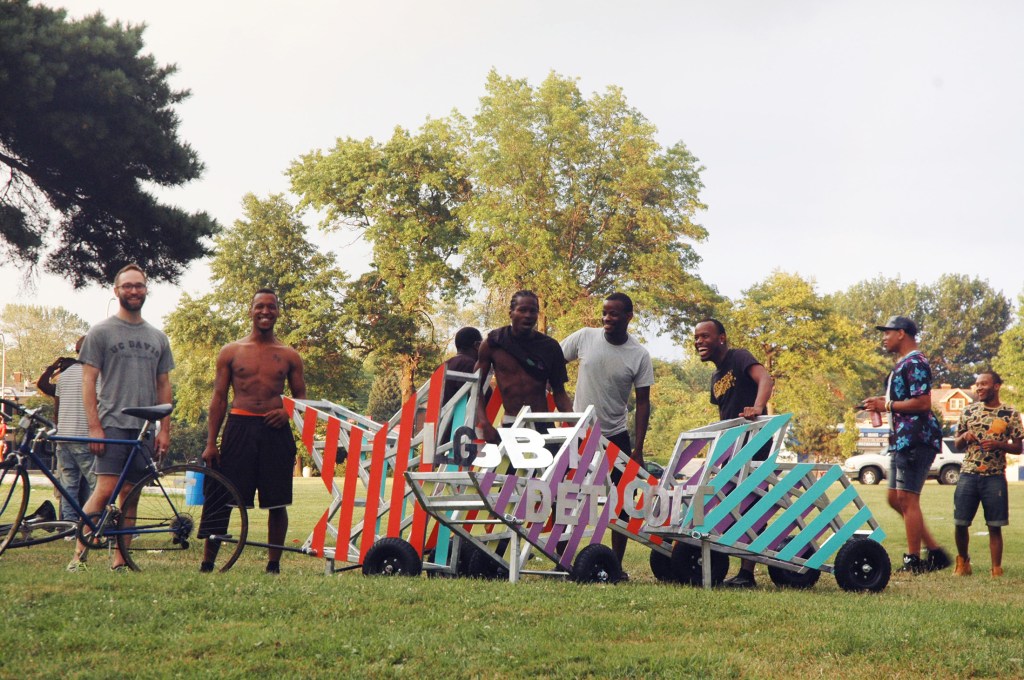
Sparkle. Glitter. Pop! – Detroit, Michigan
A public art installation by queer artist Banchki that turns a city space into a colorful, joyful, and safe place for queer expression. It challenges the idea that public spaces must be neutral or plain.
Waterkant – Amsterdam, Netherlands
A redesigned waterfront that uses soft lighting, open sightlines, and inclusive design to make queer people feel safe and welcome.

Queering Public Spaces and Preservation – London, UK
Activists are working to protect LGBTQ+ venues from gentrification and to include queer history in city planning. This helps preserve community identity and memory.
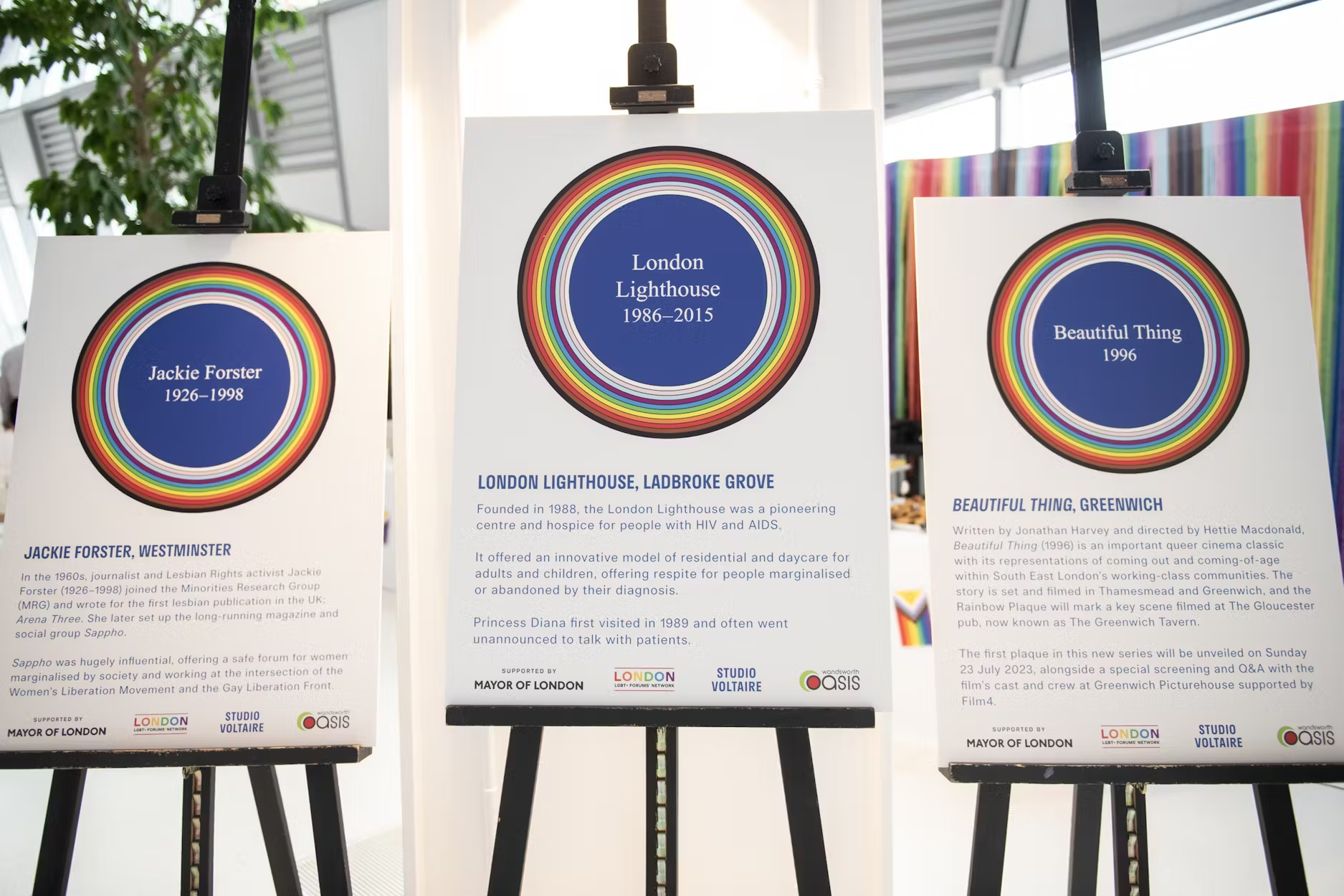
Queering Public Libraries – Perkins&Will Design Initiative
Perkins&Will, a global architecture firm, is reimagining public libraries as inclusive, affirming spaces for LGBTQ+ communities. They conducted research to inform their design strategies and published their findings in Queering Public Spaces. Their designs include:
- Gender-neutral bathrooms and inclusive signage.
- Flexible seating for different types of gatherings.
- Community art and storytelling that reflect queer lives.
- Safe zones for queer youth and others who may not feel safe at home.
This initiative shows how even traditional institutions like libraries can become powerful tools for inclusion and belonging when designed with empathy and intention.
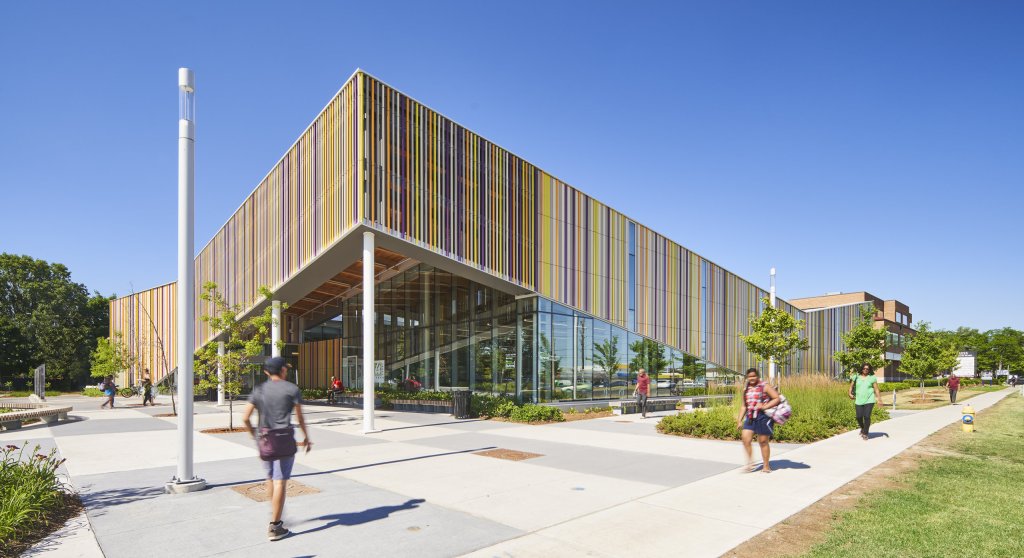
Local Spotlight: Queer Urbanism in Charlotte, NC
Here are some examples within Charlotte that create visibility, safe spaces, and advocacy for the queer community. More LGBTQ+ friendly spaces and businesses can be found here.
Time Out Youth
A safe haven for LGBTQ+ youth offering housing, counseling, and community support. It addresses the lack of affirming public space for queer youth and provides critical services for those facing homelessness or family rejection.
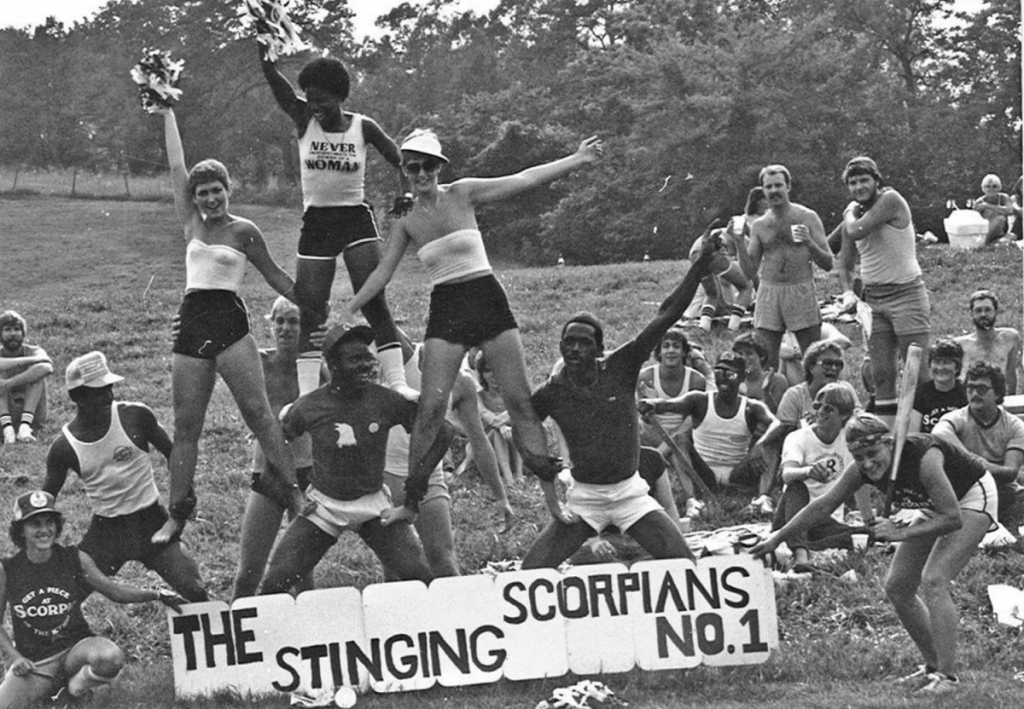
Scorpio Dance Club
Charlotte’s longest-running LGBTQ+ nightclub, Scorpio, has hosted Pride events since the 1980s and held the city’s first AIDS fundraiser in 1983. It’s a living archive of queer nightlife, activism, and community resilience.
Click here to learn more about gay bars and clubs’ impact on CLT queer history
Charlotte Pride
More than just a parade, Charlotte Pride organizes year-round programs like Trans Pride, Latine Pride, and Reel Out Charlotte (a queer film festival). It reclaims public space for queer joy and protest while building civic and cultural infrastructure. To promote visibility of the queer community and history, the organization launched The Charlotte Pride History Project, an ongoing database of local and regional LGBTQ+ and Pride Movement history in Charlotte and the broader Carolinas region.
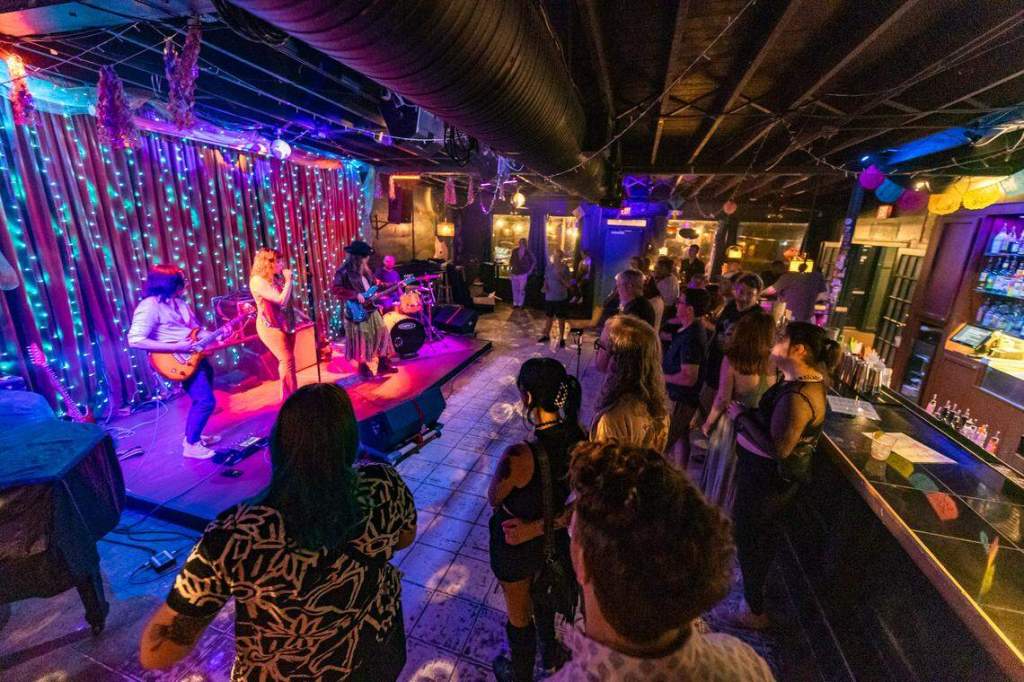
Plaza Midwood
An eclectic, artsy neighborhood known for its inclusive vibe. With queer-friendly venues like Petra’s, Common Market, and affirming churches, Plaza Midwood shows how neighborhoods can become informal queer spaces through culture and community.
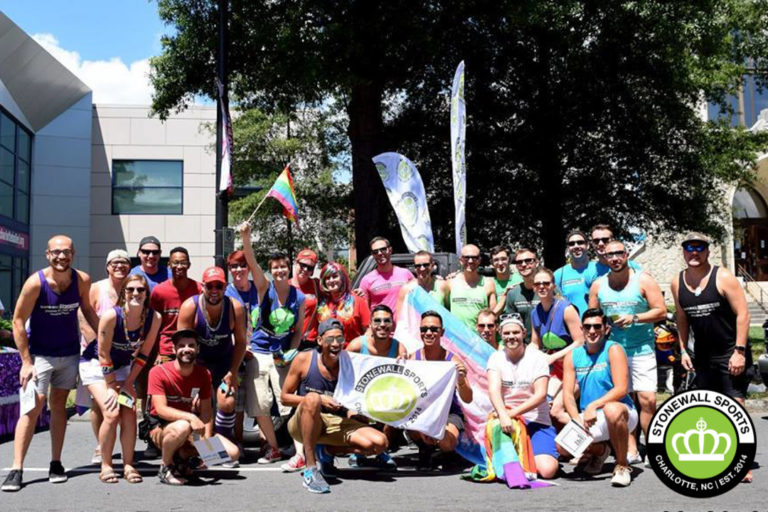
Stonewall Sports Charlotte
The largest LGBTQ+ sports league in the Carolinas, offering low-cost, inclusive leagues for kickball, dodgeball, and more. It reclaims recreational space and builds community through play and philanthropy.
Reel Out Charlotte
An annual LGBTQ+ film festival that brings queer stories into public cultural spaces, increasing visibility and representation in the arts.
City of Charlotte’s Non-discrimination Ordinance
In 2021, Charlotte City Council unanimously passed an ordinance expanding protections to include sexual orientation, gender identity, and gender expression in employment, housing, and public accommodations. This legal shift:
- Protects queer residents from discrimination in everyday spaces.
- Embeds LGBTQ+ rights into the city’s civic framework.
- Reinforces the idea that inclusive policy is a key part of inclusive urban design.
How Can You Be Part of Queer Urbanism?
You don’t have to be a city planner or architect to be part of this movement. Here are some ways anyone can engage:
- Inquire: Ask questions about who public spaces are designed for. Be aware of decisions that exclude queer people.
- Get involved: Join or learn about local LGBTQ+ organizations working on housing, public space, or community safety.
- Celebrate queer history: Encourage plaques, walking tours, or museum exhibits that honor LGBTQ+ contributions.
- Support inclusive design: Push for inclusive public spaces, safe transit, and affordable housing in your community.
- Use your influence: Whether you’re a student, a worker, or a voter, you can influence how your city grows.
A Hopeful Future
Queer urbanism isn’t just about making cities better for LGBTQ+ people—it’s about making cities better for everyone. When we design with care, creativity, and inclusion, we build places where all people can thrive.
As scholar Sara Ahmed stated in Queer Phenomenology, “If orientation is a matter of how we reside in space, then sexual orientation might also be a matter of residence—of how we inhabit spaces, and who or what we inhabit spaces with.”
Let’s build cities where everyone belongs.
 People make Cities